
Curb appeal is more than just a pretty front yard; it is the first impression visitors and potential buyers have of your home. One of the most effective ways to enhance your property’s visual appeal is through proper tree care. Trees provide shade, structure, and seasonal interest, and when maintained properly, they can transform even a simple landscape into a welcoming and attractive environment. Using a local tree service to assist with your landscape management ensures that trees are healthy, aesthetically pleasing, and contribute positively to your property’s overall charm.
A well-designed landscape incorporates a balance of color, texture, and height, and trees are key in achieving this harmony. From flowering species that add seasonal vibrancy to evergreen varieties that maintain structure year-round, the right trees make a substantial difference. Local tree service companies offer expertise in pruning, fertilization, and disease management, helping homeowners make informed decisions about tree placement, species selection, and maintenance. Moreover, incorporating practices like tree pruning, erosion control, and residential garden irrigation systems ensures the landscape remains healthy while maintaining visual appeal. By following expert tips, homeowners can elevate their property’s exterior without overspending, creating an inviting and well-manicured yard.
What Types of Trees Are Best for Curb Appeal?
Characteristics of Attractive Trees
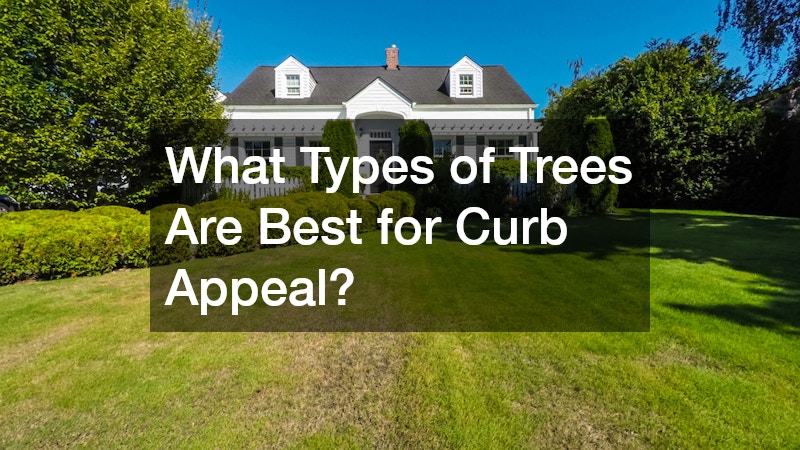
When selecting trees for curb appeal, several characteristics determine their impact. Shape, size, foliage, and seasonal features all contribute to a tree’s visual appeal. Trees with symmetrical forms, vibrant foliage, and interesting textures are often the most attractive. The density of leaves, color contrast, and seasonal variation also play important roles. For example, a tree with bright spring flowers or striking autumn colors can draw attention to your home, creating a dynamic and engaging front yard.
Beyond appearance, homeowners should consider functionality. Trees that provide shade or frame a pathway can improve usability and visual balance. Local tree service companies often recommend species that complement your home’s architecture while enhancing the overall aesthetic of the property. Proper maintenance, including tree pruning and regular inspections, ensures that these characteristics are preserved over time. Additionally, integrating trees with other elements like landscaping supplies, mulch, and irrigation systems maximizes their health and visual appeal.
Native vs. Non-native Trees
Native trees are adapted to your local climate, soil, and environmental conditions, making them easier to maintain and more sustainable for long-term landscapes. They often require less water and fertilizer and are more resistant to local pests and diseases. Non-native trees, while sometimes chosen for their unique appearance, may require more intensive care, including frequent lawn fertilizations and monitoring for tree damage caused by unsuitable conditions.
Using native trees can improve not only the aesthetic appeal but also the ecological health of your yard. Local tree service experts can provide guidance on which species thrive in your region while enhancing curb appeal. Combining native and non-native species strategically can create a varied and visually interesting landscape, balancing seasonal flowers and evergreens while maintaining healthy trees. Additionally, proper placement and maintenance of these trees, supported by a backyard designer or local tree service company, ensure that your landscape remains cohesive and visually appealing throughout the year.
How Can Pruning Improve Landscape Aesthetics?
Techniques for Effective Pruning
Tree pruning is essential for maintaining both the health and appearance of your trees. Effective pruning involves removing dead or damaged branches, shaping the tree for optimal growth, and promoting airflow and sunlight penetration. Techniques such as thinning, heading cuts, and crown raising help improve the structure and appearance of trees while reducing the risk of tree damage.
Engaging a local tree service for pruning ensures that proper techniques are applied, preventing mistakes that could harm your trees. Regular tree pruning not only enhances aesthetics but also strengthens trees against storms and reduces potential hazards. For homeowners seeking to elevate curb appeal on a budget, pruning can be a cost-effective improvement that significantly improves the look and safety of the landscape without requiring expensive replanting or major construction.
When is the Best Time to Prune?
Timing plays a critical role in the effectiveness of pruning. Most trees are best pruned during late winter or early spring when they are dormant. This timing reduces stress on the tree and allows for rapid recovery and new growth during the growing season. Flowering trees may require pruning at different times depending on their bloom cycle; early spring bloomers are often pruned immediately after flowering, while late bloomers are pruned during dormancy.
A local tree service company can provide advice tailored to your tree species and location, ensuring that pruning enhances both health and appearance. Coordinating pruning with other maintenance practices, such as residential garden irrigation systems and lawn fertilizations, ensures that your landscape remains vibrant and well-cared-for throughout the year. Properly timed pruning not only prevents potential tree damage but also maximizes the visual impact of your trees, boosting your home’s curb appeal without significant expense.
What Role Do Flowering Trees Play in Curb Appeal?
Seasonal Interest from Flowers
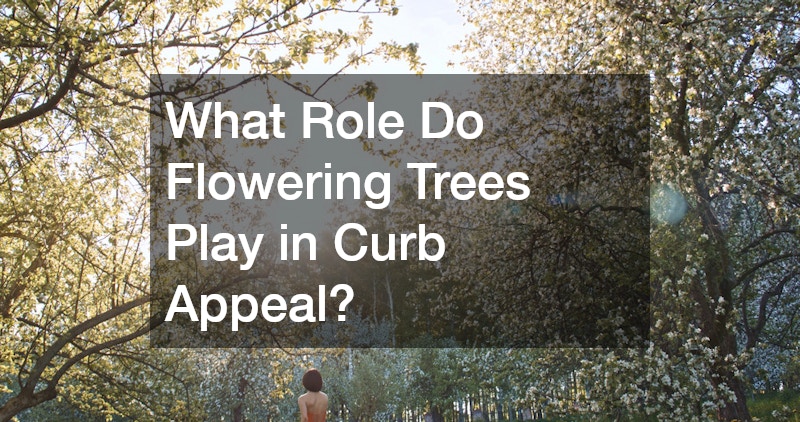
Flowering trees add color, texture, and seasonal interest to any landscape. Their blooms can create focal points that draw attention to the home while providing contrast to evergreen and non-flowering trees. Popular flowering trees like dogwoods, cherry trees, and magnolias provide bursts of color in spring and subtle beauty in other seasons through their foliage. Seasonal flowering contributes to dynamic curb appeal, making your home look inviting throughout the year.
Proper care is essential to maintain the beauty of flowering trees. A local tree service can provide advice on pruning, fertilization, and pest management to ensure flowers bloom consistently. Integrating flowering trees with erosion control methods, mulching, and landscaping supplies enhances their visual impact while supporting overall tree health. Homeowners can work with a backyard designer or tree care expert to create a balanced landscape where flowering trees are strategically placed for maximum aesthetic effect.
Maintenance of Flowering Trees
Maintaining flowering trees requires attention to watering, fertilization, and pest management. Trees that are stressed due to poor soil conditions, insufficient water, or pests are less likely to bloom fully and may even experience tree damage. Regular inspections and interventions from a local tree service company ensure that flowering trees remain vibrant and healthy.
Techniques such as selective pruning, proper mulching, and soil enrichment improve flowering performance while supporting overall landscape health. Additionally, coordinating flowering tree care with residential garden irrigation systems and lawn fertilizations ensures that your yard maintains consistent moisture and nutrient levels, allowing flowers to thrive. With proper care, flowering trees can dramatically enhance curb appeal while remaining low-maintenance and cost-effective for homeowners.
How Important is Tree Placement for Aesthetics?
Strategic Planting Considerations
Tree placement is crucial for creating visual balance and harmony in your landscape. Trees should be positioned to frame the home, highlight architectural features, and complement other landscaping elements. Strategic placement also considers future growth, preventing overcrowding and ensuring each tree has sufficient space to thrive.
A local tree service company or backyard designer can provide guidance on optimal tree placement, considering factors such as sunlight, soil conditions, and potential interference with structures. Proper placement reduces the likelihood of tree damage and allows for effective erosion control, enhancing both aesthetics and functionality. Additionally, well-placed trees can work in conjunction with lawn fertilizations, residential garden irrigation systems, and landscaping supplies to create a cohesive, visually appealing front yard.
Reducing Obstruction and Enhancing Views
While trees are essential for curb appeal, poorly placed trees can obstruct views of your home, pathways, or other landscaping features. Homeowners should consider sightlines, ensuring that trees do not block windows, entrances, or key focal points.
Local tree service companies can prune or relocate trees as needed to improve visibility while maintaining a balanced, attractive landscape. This approach also helps prevent tree damage caused by overcrowding or interference with structures. When combined with other maintenance practices such as tree pruning, pest management, and fertilization, proper placement ensures that your trees enhance your home’s curb appeal rather than detract from it.
What Are Some Common Tree Diseases Affecting Aesthetic Value?

Identifying Affected Trees
Tree diseases can significantly reduce the visual appeal of your landscape if left untreated. Common issues include fungal infections, root rot, and pest-related illnesses, all of which may cause discolored leaves, dead branches, or stunted growth. Recognizing these early signs is crucial for maintaining curb appeal and preventing further tree damage. Homeowners should watch for leaf spots, unusual growths, or premature leaf drop, as these indicators often signal underlying problems that require intervention.
Engaging a local tree service company ensures that any diseased trees are identified promptly and treated effectively. Professionals can assess the severity of the condition and recommend appropriate measures, from pruning affected areas to applying safe treatments. Early detection not only protects the aesthetic value of your yard but also minimizes the risk of disease spreading to other trees or shrubs. Integrating preventive practices like proper irrigation, erosion control, and regular fertilization strengthens tree health and reduces susceptibility to common diseases.
Preventative Measures and Treatments
Preventing tree diseases begins with proper care and maintenance. Regular tree pruning removes dead or weakened branches that may harbor pests or pathogens. Applying targeted lawn fertilizations ensures that trees receive essential nutrients, promoting resilience against infections. Additionally, maintaining soil health through erosion control and mulch application reduces stress on tree roots, supporting overall vitality.
Local tree service companies can implement preventative treatments, including organic or chemical solutions tailored to your tree species. Combining professional services with homeowner practices like monitoring irrigation, avoiding mechanical damage, and maintaining clean landscaping supplies creates a comprehensive approach to tree health. These measures preserve the appearance and longevity of your trees, keeping your property attractive year-round. By proactively addressing potential threats, you enhance both curb appeal and the functional benefits trees provide.
How Can Mulching Enhance Tree Appearance?
Types of Mulch and Their Benefits
Mulch is a versatile landscaping element that contributes to tree health and visual appeal. Organic mulches, such as bark, wood chips, and compost, improve soil structure, retain moisture, and support beneficial microorganisms. Inorganic options, like gravel or rubber, provide a clean, modern aesthetic while suppressing weeds. Selecting the right type of mulch depends on your landscape goals, soil conditions, and the desired visual effect.
Using mulch also complements other practices provided by a local tree service, such as tree pruning and erosion control. Properly mulched trees have healthier root systems, better moisture retention, and reduced stress from environmental factors. Homeowners can combine mulch with landscaping supplies like edging stones or decorative gravel to create polished, well-maintained planting areas that enhance overall curb appeal.
Proper Mulching Techniques
Applying mulch correctly is essential to maximize both its health and aesthetic benefits. Mulch should be spread evenly around the base of the tree, maintaining a 2–4 inch layer and keeping it away from the trunk to prevent rot. Forming a slight slope away from the trunk ensures water drainage and reduces the risk of fungal infections.
Local tree service companies often provide guidance on mulching techniques and can assist with installation, ensuring a neat and professional appearance. Mulching complements other maintenance practices such as residential garden irrigation systems and regular fertilization, supporting healthy trees that look visually appealing throughout the year. Properly mulched trees not only enhance curb appeal but also contribute to the long-term sustainability of your landscape investment.
What Maintenance Practices Boost Tree Health and Aesthetics?
Regular Watering and Fertilizing Tips
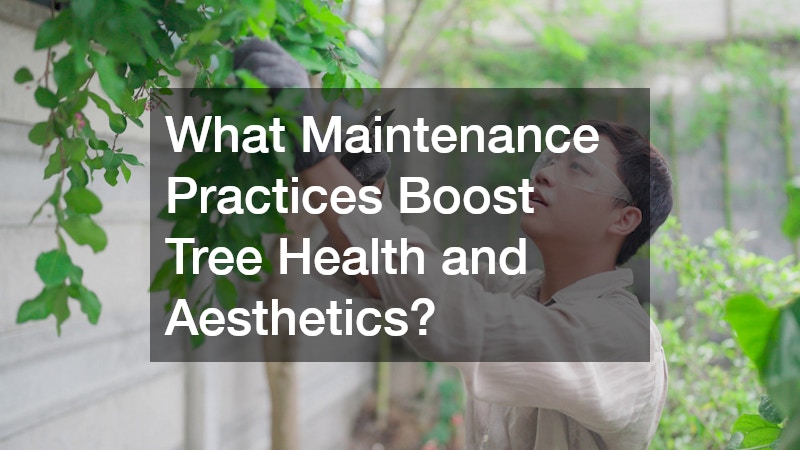
Maintaining healthy trees requires consistent watering and appropriate fertilization. Trees in residential landscapes often need supplemental irrigation during dry periods, and installing or optimizing residential garden irrigation systems ensures consistent moisture levels. Fertilizing trees with nutrient-rich soil amendments or lawn fertilizations supports strong growth, vibrant foliage, and improved resistance to pests and disease.
A local tree service company can recommend species-specific watering schedules and fertilization plans that optimize tree health without unnecessary expense. Combining these practices with regular tree pruning and erosion control creates a holistic maintenance routine that preserves both the beauty and structural integrity of your trees. Well-maintained trees not only improve curb appeal but also provide environmental benefits like shade, air purification, and habitat for local wildlife.
Pest Management for Healthy Trees
Pests can quickly compromise the appearance and health of trees, causing leaf discoloration, premature leaf drop, or even permanent tree damage. Common threats include aphids, caterpillars, beetles, and fungal infections, all of which require monitoring and timely intervention. Preventative pest management and early treatment are key to maintaining attractive, thriving trees.
Local tree service companies offer expertise in identifying and treating infestations safely and effectively. Integrated pest management combines professional treatment with homeowner actions such as pruning infested branches, maintaining clean landscaping supplies, and adjusting irrigation practices to minimize stress on trees. By proactively addressing pest issues, you can preserve the health and aesthetics of your trees while protecting the overall visual harmony of your yard.
Why Seek Professional Tree Services?
Benefits of Hiring Tree Care Experts
Hiring a professional local tree service company provides several advantages for homeowners looking to enhance curb appeal. Experts bring experience in tree pruning, disease management, and strategic placement, ensuring that trees remain healthy and visually appealing. They can identify potential hazards and apply preventative measures that reduce long-term maintenance costs, saving homeowners time and money.
Professional tree services also offer specialized equipment and techniques that may be difficult or unsafe for homeowners to perform on their own. From safe removal of damaged branches to efficient erosion control and fertilization, these services ensure optimal tree health. Collaborating with a backyard designer or local tree service expert allows homeowners to develop a cohesive plan that integrates pruning, mulching, irrigation, and landscaping supplies for maximum curb appeal.
How to Choose a Reliable Local Tree Service
Selecting a reputable local tree service company is crucial for achieving the best results. Look for certified professionals with experience in both residential and commercial landscapes. Reading reviews, requesting references, and verifying insurance coverage helps ensure you are hiring a trustworthy provider.
A good local tree service company will provide a comprehensive approach, including tree pruning, erosion control, lawn fertilizations, and advice on residential garden irrigation systems. They should also offer guidance on preventing tree damage and maintaining long-term health. Investing in professional services not only protects your landscape investment but also enhances curb appeal, creating a polished, inviting, and sustainable yard that reflects well on your property.
Enhancing your home’s curb appeal through thoughtful tree care is both achievable and rewarding. By leveraging the expertise of a local tree service company, homeowners can ensure their trees remain healthy, well-pruned, and visually striking throughout the year. Strategic placement, proper maintenance, and proactive measures such as erosion control, pest management, and lawn fertilizations all contribute to a cohesive, attractive landscape that complements your home’s architecture and outdoor features.