Highlights:
- Preparation accounts for most of the work: Achieving a factory-like finish requires spending the vast majority of your time on deep cleaning, removing all hardware, repairing surface damage, and sanding to ensure proper paint adhesion.
- A dedicated primer is essential: Even with paint-and-primer-in-one products on the market, a specialized exterior primer provides a necessary, uniform surface and prevents wood tannins or rust from ruining the topcoat.
- The application order matters for paneled designs: To prevent paint pooling and visible lap marks, you must follow a strict structural sequence: paint the moldings first, followed by the panels, the center mullions, the horizontal cross rails, and finally the vertical side stiles.
- Thin coats outperform thick layers: Applying multiple thin coats provides a much more durable, smooth, and wrinkle-free finish than attempting to complete the project with a single heavy layer.
- Protect weatherstripping and door edges: Never paint over flexible weatherstripping, as it will harden and crack, destroying the door’s airtight seal; additionally, match the color of the door edges to whichever side of the house they face when swinging open.
- Patience during curing prevents damage: Paint can take several days to fully cure into a hard shell. Closing the entryway too early causes the fresh film to stick and tear against the frame, a ruinous issue known as blocking.
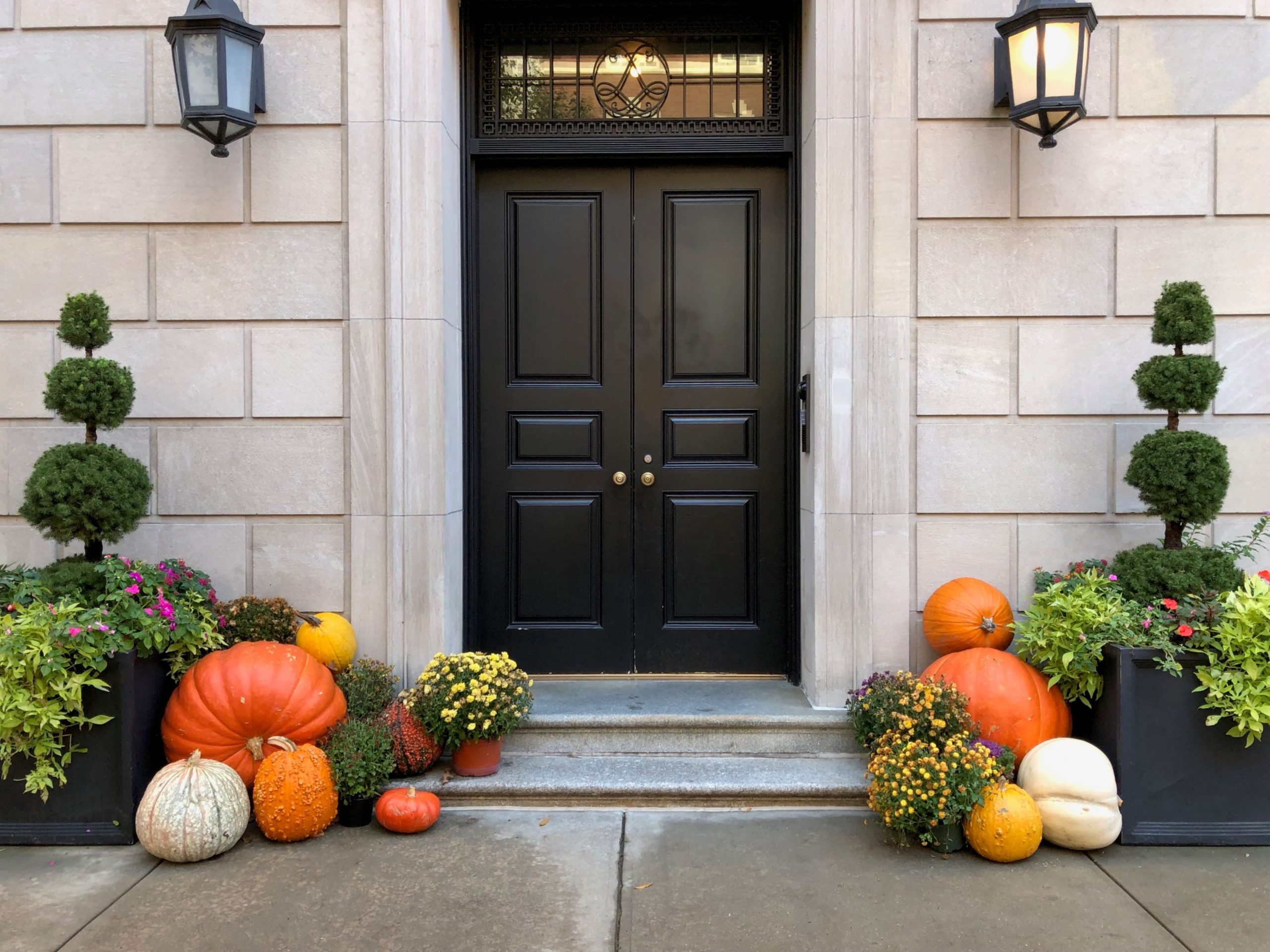
- Integrate the entryway into broader accent upgrades: To maximize the visual impact, tie the fresh color into your surroundings by coordinating it with matching hardware, updated porch light fixtures, fresh address numbers, and balanced planters.
First impressions matter, and when it comes to your home, your front door speaks volumes before anyone ever steps inside. If your entryway is looking a bit weathered, faded, or simply outdated, you do not need a massive budget or a team of contractors to fix it. A fresh coat of paint on your exterior door is one of the quickest, most satisfying weekend projects you can take on. It breathes new life into your facade and can completely transform the vibe of your property in just a few hours of active work.
The front door serves as the natural focal point of your house. It guides the eye, welcomes guests, and establishes the architectural personality of the building. Whether you want a bold pop of modern color or a classic, sophisticated finish, doing the job yourself is entirely doable. This guide will walk you through everything you need to know to achieve a flawless, durable, professional-looking finish that will withstand the elements and make your neighbors do a double-take.
Why Is Painting Your Front Door Worth the Effort?
Your home exterior faces a constant barrage of sunlight, rain, wind, and temperature fluctuations. Over time, even the highest-quality factory finishes can break down, leading to chalking, fading, or peeling. Beyond the obvious aesthetic upgrade, a fresh layer of premium exterior paint acts as a protective shield, sealing the underlying wood or metal from moisture penetration and rot.
From a financial perspective, a beautiful entryway offers a massive return on investment. If you are planning to sell your property soon, buyers tend to make up their minds about a house within the first few minutes of pulling up to the curb. A crisp, smartly painted door signals that the property has been well-maintained. It creates an immediate sense of warmth and security, setting a positive tone for the rest of the viewing.
What Tools and Materials Do You Need to Get Started?
Before you open a single can of paint, you want to gather all your supplies. There is nothing more frustrating than getting halfway through a project only to realize you are missing a crucial tool. Preparing your workstation ahead of time ensures a smooth workflow and a much cleaner final result.
Here is the essential checklist for your front door painting project:
- Screwdriver or drill to remove door hardware
- Sawhorses or a sturdy work table if you plan to remove the door
- Drop cloths, plastic sheeting, and high-quality painter’s tape
- Fine-grit sandpaper (120-grit and 220-grit) and a sanding block
- An all-purpose cleaner, degreaser, and lint-free microfiber rags
- Exterior wood filler or exterior spackle for patching dents or cracks
- High-quality multi-surface exterior primer
- Premium exterior paint formulation (semi-gloss or satin finishes work best)
- A 2-inch or 2.5-inch angled sash brush
- A 4-inch mini foam roller with a smooth-nap cover
- A putty knife and a razor blade scraper
Investing in high-quality brushes and rollers is non-negotiable here. Cheap brushes shed bristles into the wet paint, leaving behind permanent, unsightly bumps, while low-grade rollers can leave behind lint or create an uneven texture known as orange peel. A good synthetic angled brush allows you to cut into tight corners and crisp molded details with ease.
How Do You Choose the Right Paint Color and Finish?
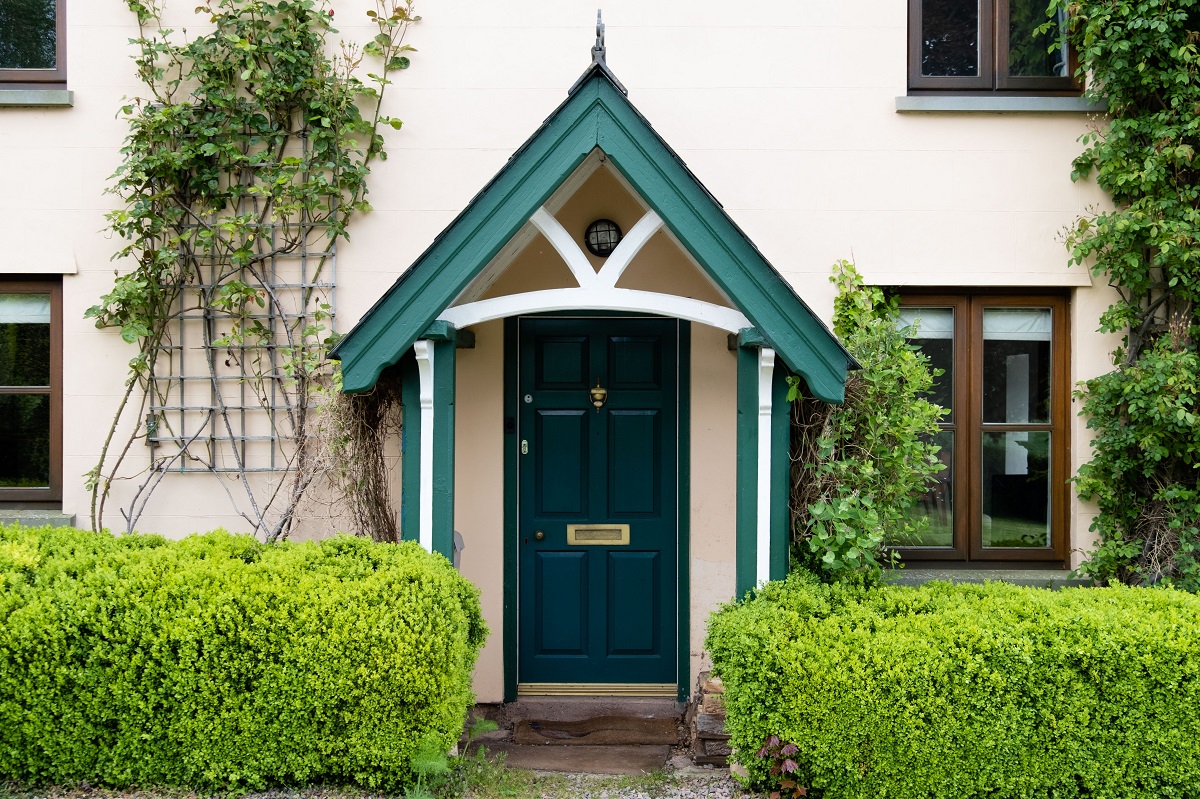
Selecting a color can feel overwhelming because the options are virtually limitless. The secret is to look at the existing, unchangeable elements of your home’s exterior. Take note of the color of your roof shingles, the undertones in your brick or stone siding, and the shade of your window trims. Your door color should complement these elements, not compete with them.
If your home has a neutral, classic design, you can use the front door to express some personality. Bold hues like deep navy, forest green, rich burgundy, or even a cheery bright yellow can infuse character into a plain facade. If you prefer a minimalist or contemporary aesthetic, sophisticated charcoal grays, stark blacks, or warm earthy tones look incredibly polished.
Beyond the color, you must select the right sheen. Most professional painters recommend a satin or semi-gloss finish for exterior doors. High-gloss finishes are incredibly durable and easy to wipe clean, but they reflect a lot of light, meaning they will highlight every minor imperfection, dent, or scratch in the door. A semi-gloss or satin finish provides the perfect balance, offering excellent moisture resistance and durability while remaining forgiving to minor surface flaws.
Should You Leave the Door on Its Hinges or Take It Down?
This is one of the most common debates among DIY enthusiasts. The truth is that you can achieve a great finish using either method, but each has its own set of pros and cons depending on your skill level and your patience.
Painting the door while it remains on its hinges saves you the heavy lifting and avoids the hassle of wrestling a heavy door off its frame. It also means your home remains secure throughout the day, which is a major factor if you cannot finish the project in a single afternoon. However, you have to be incredibly careful about paint runs and sags caused by gravity, and you must tape off the hinges and weatherstripping meticulously to avoid accidental messes.
Taking the door down and placing it flat across two sawhorses is universally preferred by professionals. When the door is horizontal, paint self-levels much more effectively, completely eliminating the risk of drips running down the panels. It also allows you to work in a comfortable position with excellent lighting, making it much easier to sand and coat the top and bottom edges. The downside is that you need a secure, weather-protected space like a garage to let it dry, and your entryway will be wide open to the elements for several hours.
How Do You Prepare the Surface for a Flawless Finish?
If you want a door that looks like it was painted in a factory, you must spend eighty percent of your time on preparation. Paint is not a filler; it copies whatever texture lies beneath it. If you paint over dust, grease, or peeling layers, the new finish will bubble and flake off within a few months.
Follow these systematic steps to prepare your door properly:
Step 1: Remove All Hardware
Take the time to unscrew the deadbolt, doorknob, kickplate, and knocker. Trying to paint around hardware with tape almost always results in a sloppy look, and paint can easily bind the moving mechanical parts of your lock system. Label your screws and keep them safely in a small bowl.
Step 2: Clean the Surface Thoroughly
Exterior doors accumulate a thick film of pollen, airborne pollution, and oils from human hands around the handle area. Scrub the entire door down with a mixture of warm water and a heavy-duty cleaner or degreaser. Pay special attention to the deep crevices in raised panels where dirt loves to hide. Rinse the surface with clean water and let it dry completely.
Step 3: Repair Existing Damage
Inspect the clean door for deep scratches, gouges, or dings. Use a putty knife to apply an exterior-grade wood filler or auto body filler to these imperfections, overfilling the spots slightly to account for shrinkage as the product cures. Once dry, sand the patched areas completely flush with the surrounding surface.
Step 4: Sand the Entire Door
If your door has an old coat of glossy paint, the new paint will not be able to grip onto it securely. Use 120-grit sandpaper to scuff up the entire surface, breaking the old gloss and creating a fine texture for the new layers to bond with. If there are old paint drips or severe peeling from a previous bad paint job, sand those areas down to the bare wood or metal. Finish by wiping the entire door down with a damp microfiber cloth or a tack cloth to remove every single speck of sanding dust.
What Is the Secret to Applying Primer Correctly?
Many modern paints are marketed as paint-and-primer-in-one formulas, but for an exterior door exposed to harsh weather, using a dedicated, high-quality primer is always the safest bet. Primer behaves like an industrial adhesive, anchoring itself to the door material and providing a uniform, non-porous surface for your topcoat.
If you are painting a bare wood door, a wood door with knots, or an older door that has been sanded down extensively, an oil-based or stain-blocking primer is essential. It prevents natural wood tannins from bleeding through your beautiful new paint color over time. If you are working on a steel or fiberglass door, select a high-adhesion acrylic primer explicitly rated for those materials.
Apply a single, even coat of primer to the door using your brush for the recessed panels and your foam roller for the flat surfaces. Do not worry if it looks a bit streaky or translucent; the primary goal of this layer is adhesion, not complete color coverage. Once the primer is dry according to the manufacturer’s guidelines, give it a very light, gentle sanding with ultra-fine 220-grit sandpaper. This knocks down any tiny dust nibs that settled into the wet primer, ensuring your final color coats glide on perfectly smooth.
What Is the Correct Order to Paint Door Panels and Trim?
If your front door features raised or recessed panels, you cannot just roll over it haphazardly from top to bottom. If you do, you will end up with heavy build-ups of paint in the corners and ugly lap marks across the flat sections. There is a precise, logical order to painting a paneled door that keeps the edges wet and blends the brush strokes seamlessly.
When approaching a paneled configuration, utilize this professional sequence:
- The Moldings: Use your angled sash brush to paint the recessed decorative profiles surrounding the flat panels first. Work quickly to smooth out any paint pooling in the tight corners.
- The Panels: Switch to your mini foam roller or use your brush to lay down paint on the flat interior sections of the panels, working from top left to bottom right.
- The Center Mullions: Paint the vertical wood strips that run straight down the middle of the door between the panel sections.
- The Cross Rails: Coat the horizontal sections of the door, starting with the top rail, moving to the middle rail, and finishing with the bottom rail. Always blend your brush strokes horizontally along the direction of the wood grain.
- The Side Stiles: Finish the face of the door by painting the long, continuous vertical pieces on the far left and far right edges.
By following this precise order, you ensure that your final brush strokes align naturally with the construction of the door, making any minor variations in the paint film look intentional and highly polished.
How Many Coats of Paint Do You Actually Need?
To get a deep, rich color that looks uniform under direct sunlight, you should plan on applying at least two coats of your exterior paint. Some vibrant colors like deep reds, bright yellows, or intense blues have naturally translucent pigments and might require a third coat to achieve complete coverage without any shadows from the primer showing through.
The absolute golden rule of painting is to apply multiple thin coats rather than one single heavy coat. Slathering on a thick layer of paint to save time is a recipe for disaster. Heavy layers trap moisture underneath, leading to sag marks, wrinkles, blistering, and significantly prolonged drying times.
Allow the first coat to dry fully based on the directions on your paint can, which usually takes anywhere from two to four hours depending on the ambient humidity. If you notice any tiny dust particles or minor imperfections caught in the first layer, buff them out gently with 220-grit sandpaper and wipe the surface clean before starting your second coat.
How Do You Handle the Edges and Weatherstripping?
A common point of confusion is knowing what color to paint the thin edges of the door itself. The rule of thumb used by professional interior designers relies on how the door swings. Open your door completely and stand in the doorway.
The edge that contains the hinges should generally match the color of the interior side of the door, as you see this edge when the door swings open into your living space. The edge that contains the latch mechanism should match the exterior color of the door. This ensures that when the door is slightly ajar, the colors blend seamlessly with the room you are standing in.
Be incredibly careful around your rubber or vinyl weatherstripping. Never paint over flexible weatherstripping. Paint will dry hard and crack, causing the material to lose its flexibility, which ruins the airtight seal of your entryway and drives up your energy bills. If you cannot remove the weatherstripping easily, cover it carefully with low-tack painter’s tape and remove the tape while the final coat of paint is still slightly tacky to avoid peeling up any edges.
What Is the Best Strategy for Drying and Reassembly?
Once your final coat is applied, the temptation to put the hardware back on and close the door is immense. However, you need to exercise extreme patience during this final phase. While paint might feel completely dry to the touch within an hour, it has not fully cured.
Curing is the chemical process where the paint molecules cross-link into a hard, durable plastic-like shell, which can take several days. If you close a freshly painted door tightly against its frame too early, a phenomenon called blocking will occur. The paint on the door will bond itself to the vinyl weatherstripping or the painted jamb, and the next time you try to open the door, it will rip the beautiful new finish right off the surface.
Leave the door propped open for at least six to eight hours, preferably longer if the weather is humid. When you are ready to reattach your doorknob and deadbolt, tighten the screws firmly by hand rather than using a high-powered electric drill. A power tool can easily slip, scratching your pristine new paint job, or it can crush into the soft paint layer, causing it to pucker and tear around the metal housing.
How Does a Painted Door Fit into Your Overall Landscaping Goals?
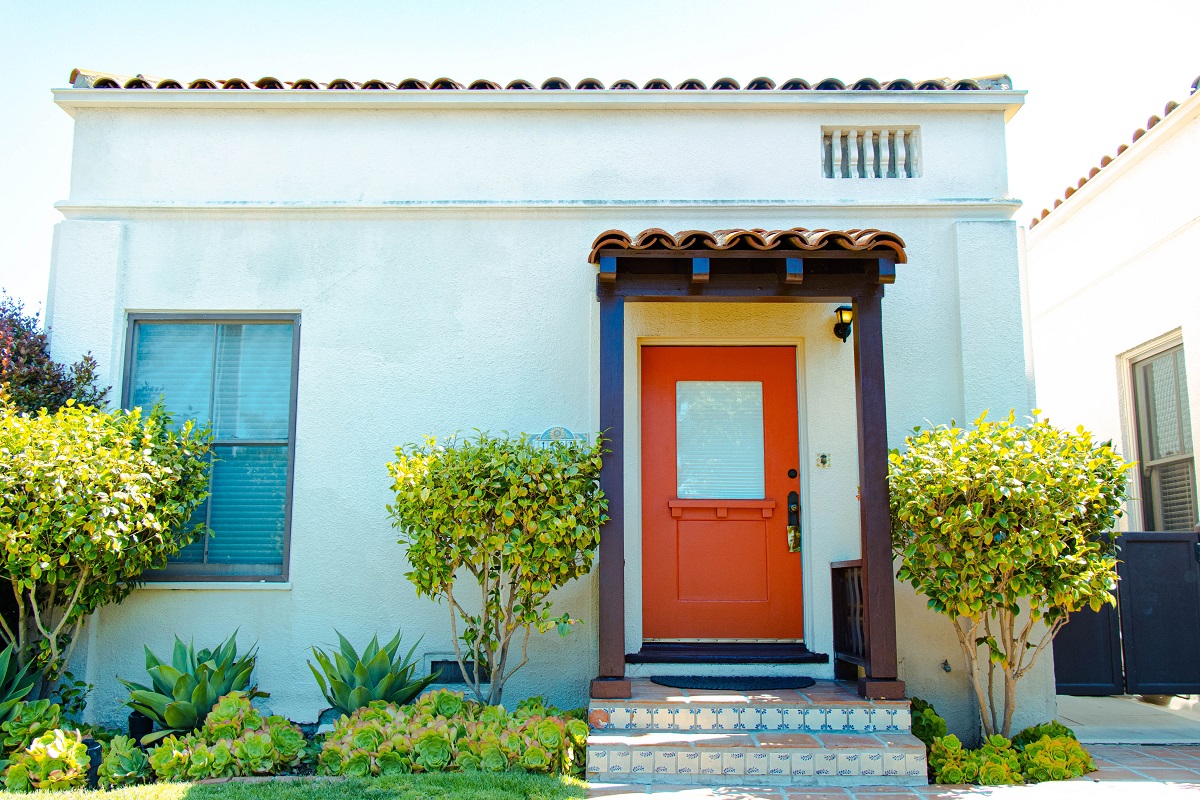
While a beautifully painted front door makes an immediate statement on its own, it functions best when integrated into a broader strategy for your property. Tackling your entryway is widely recognized as one of the best home improvements for curb appeal because it coordinates so effortlessly with other minor external upgrades.
To maximize the visual impact of your newly painted door, consider coordinating it with a few simple accent pieces around your front porch area:
- Swap out old brass address numbers for modern, high-contrast typography that matches your door hardware finish.
- Flank the entryway with a pair of large, symmetrical planters containing vibrant greenery or seasonal flowers that complement your new door color.
- Replace a tarnished, outdated porch light fixture with a clean, contemporary design to illuminate your hard work at night.
- Lay down a fresh, clean welcome mat that echoes the design language of your home architectural style.
By framing your new door with thoughtful, well-placed elements, you elevate the entire front of your home from a simple structure to an incredibly inviting, stylized environment.
How Do You Maintain Your New Paint Job for Years to Come?
Now that your front door looks spectacular, a little bit of ongoing maintenance will keep it looking brand new for a very long time. Because the entryway is handled constantly and exposed to outdoor dust, it will inevitably collect scuffs and dirt marks over the months.
Roughly twice a year, mix a mild solution of standard dish soap and warm water. Wipe down the surface gently with a soft sponge, avoiding harsh abrasive scrubbing pads that can micro-scratch the paint film and dull the glossy sheen. Rinse the soap away with a clean microfiber cloth dampened with plain water, and dry it off immediately.
Keep an eye on any nearby trees or shrubs. Branches blowing in the wind can scratch against the surface of your door, marring the paint and creating entry points for moisture. Keep your landscaping trimmed back neatly away from the porch area. If you live in an environment with brutal, direct afternoon sun, installing a storm door with UV-resistant glass can provide an extra layer of insulation, preventing your vibrant color from fading prematurely over the decades. Painting your exterior door is a highly rewarding project that balances minimal material investment with a massive aesthetic payoff, giving your home a polished look you can be proud of every single time you pull into the driveway.
Closing Thoughts
Enhancing your entryway with a fresh layer of paint is a highly rewarding project that balances minimal material investment with a massive aesthetic payoff. By dedicating your time to thorough surface preparation, selecting the ideal color and finish, and following a methodical painting order, you can achieve a flawless, professional finish that lasts for years. This simple weekend upgrade not only protects your door from the elements but also gives your home a polished, welcoming look you can be proud of every single time you pull into the driveway.