Introduction
Maintaining a home or commercial property requires more than reacting to problems as they arise. Essential systems such as heating, cooling, plumbing, and water quality management work together to ensure safety, comfort, and long-term efficiency. When neglected, small issues can quickly escalate into costly repairs, higher energy bills, and decreased property value.
A proactive approach—combining routine inspections, preventive maintenance, and strategic upgrades—can extend system lifespans, improve indoor comfort, and reduce the risk of emergencies. This guide provides a comprehensive roadmap for maintaining and improving critical home systems, offering practical tips, professional insights, and actionable strategies for homeowners. From optimizing cooling performance to ensuring clean water, preventing water damage, and responding to urgent plumbing situations, this resource helps you protect your property and maximize the efficiency and enjoyment of your living environment.
Improve Indoor Comfort and Efficiency with Smart Cooling Choices
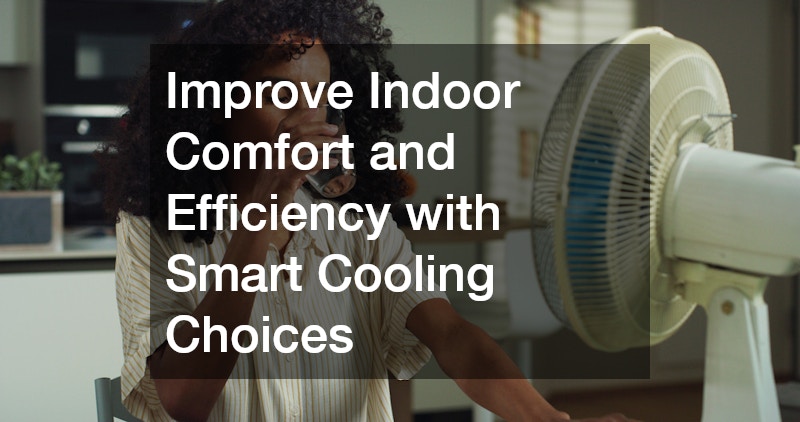
Air conditioning is no longer just a convenience; it is essential for maintaining indoor comfort, controlling humidity, and supporting health and productivity. Choosing the right cooling system and maintaining it properly ensures consistent performance, reduces energy costs, and extends equipment lifespan.
Evaluating Your System’s Performance
- Monitor energy bills and indoor temperatures; spikes may indicate inefficiencies.
- Listen for unusual noises such as rattling, hissing, or grinding, which may signal worn components.
- Observe airflow from vents; inconsistent cooling can indicate duct leaks or blockages.
Choosing the Right System
- Determine the appropriate system size based on square footage, insulation, and local climate. Oversized units cycle too frequently, while undersized units struggle to cool effectively.
- Consider energy-efficient models with high SEER ratings to reduce long-term costs.
- Select compatible refrigerants and components that comply with current environmental standards.
Maintenance Strategies
- Replace or clean filters monthly to ensure proper airflow and improve air quality.
- Schedule annual professional inspections to check refrigerant levels, electrical connections, and system calibration.
- Keep condensers and outdoor units clear of debris and vegetation.
Energy-Saving Tips
- Use programmable thermostats to avoid unnecessary cooling when rooms are unoccupied.
- Seal gaps around windows, doors, and ductwork to prevent energy loss.
- Combine cooling efficiency with strategic shading, insulation, and ventilation to reduce strain on the system.
Working with a licensed HVAC company ensures proper installation, routine service, and expert guidance on optimizing comfort and efficiency throughout the year. A professional can also recommend upgrades, repairs, or adjustments to match your home’s evolving needs.
Prevent Breakdowns with Seasonal Heating System Care
Heating systems are vital for comfort and safety during cold months, yet many homeowners neglect regular care until problems arise. Seasonal maintenance can prevent expensive heating repairs, breakdowns, reduce energy costs, and improve air quality throughout your home.
Signs Your System Needs Attention
- Unusual odors, noises, or uneven heating.
- Rising energy bills without increased usage.
- Frequent cycling or short cycling that indicates inefficiency.
- Cold spots in rooms despite proper thermostat settings.
Seasonal Inspection Checklist
- Check and replace furnace filters to maintain airflow and efficiency.
- Inspect heat exchangers for cracks or corrosion to prevent carbon monoxide hazards.
- Test thermostat accuracy and recalibrate if necessary.
- Examine ductwork for leaks, disconnected sections, or debris.
- Lubricate moving parts such as blower motors and bearings to prevent wear.
Repair vs. Replacement
- Minor issues, such as sensor or blower motor repairs, can restore function efficiently.
- Aging systems with frequent breakdowns, poor efficiency, or safety concerns may be more cost-effective to replace.
- Consider energy-efficient furnace models to reduce long-term utility expenses.
Preventive Tips
- Schedule professional tune-ups annually before the peak heating season.
- Keep flammable materials away from heating equipment.
- Track system performance and document repairs to identify recurring issues.
Proper maintenance and timely furnace repairs help avoid emergency replacements, enhance indoor comfort, and extend the life of your heating system while keeping utility bills under control.
Choose the Right Professionals for Long-Term Reliability
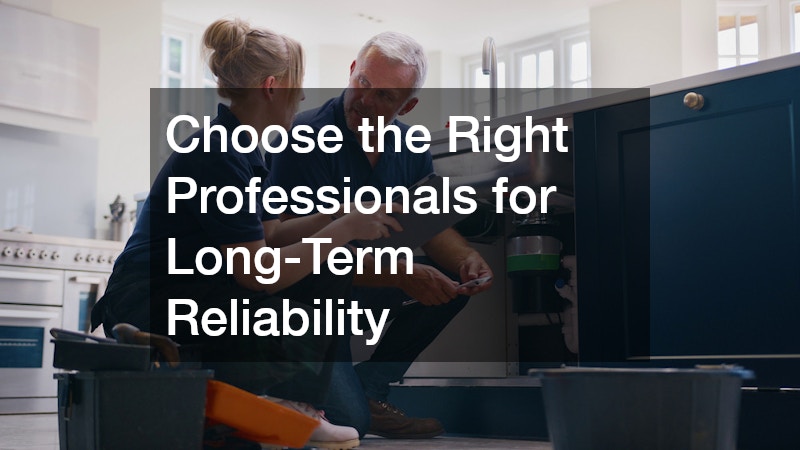
Selecting qualified professionals for HVAC and plumbing work is crucial for ensuring safety, reliability, and cost-effective solutions. Poor workmanship can lead to system failures, property damage, and ongoing frustration.
Evaluating Contractors
- Verify licenses, certifications, and insurance coverage.
- Ask for references and examples of past projects.
- Compare multiple quotes, focusing on service quality, not just cost.
- Look for warranties on both labor and equipment.
Red Flags to Avoid
- Unlicensed or unverified technicians.
- High-pressure sales tactics or vague service contracts.
- Lack of clear estimates or inspection reports.
Benefits of Long-Term Partnerships
- Consistent service quality and familiarity with your systems.
- Faster response times for maintenance and repairs.
- Opportunities for bundled service plans and discounts on routine inspections.
Building relationships with trusted professionals ensures timely, high-quality work and peace of mind that your home systems are in expert hands.
Ensure Clean and Safe Water Throughout Your Home
Water quality directly affects health, appliances, and plumbing longevity. Installing a water filtration system or water softener system can improve taste, reduce mineral buildup, and protect your plumbing infrastructure.
Understanding Your Options
- Filtration systems remove contaminants like chlorine, sediment, and bacteria.
- Softening systems reduce hardness, preventing scale buildup on pipes, fixtures, and appliances.
- Many homes benefit from a combined approach for comprehensive water protection.
Installation Considerations
- Select locations near the main water line for optimal coverage.
- Ensure proper sizing based on household consumption and water hardness.
- Hire certified technicians for installation to avoid leaks and performance issues.
Maintenance Tips
- Replace filters according to manufacturer recommendations.
- Regularly check salt levels in softener systems.
- Flush systems periodically to prevent sediment buildup and maintain efficiency.
Benefits
- Improved appliance longevity, reduced maintenance costs, and lower energy usage.
- Enhanced taste, clarity, and safety for drinking and cooking water.
- Prevention of plumbing corrosion and mineral deposits that cause long-term damage.
By combining filtration and softening solutions, homeowners can enjoy high-quality water and protection against costly plumbing repairs.
Avoid Costly Repairs by Detecting Water Issues Early
Water intrusion can quickly escalate from minor leaks to major structural damage. Early detection and rapid response prevent mold growth, property degradation, and expensive repairs.
Common Sources of Water Problems
- Leaking faucets, pipes, or valves.
- Roof leaks and gutter overflow.
- Faulty appliances, such as water heaters or dishwashers.
- Improper drainage around the foundation.
Early Warning Signs
- Stains, discoloration, or warping on walls, floors, or ceilings.
- Musty odors in basements or crawl spaces.
- Higher-than-normal water bills without changes in usage.
Preventive Strategies
- Inspect plumbing regularly and replace worn pipes or fittings.
- Maintain gutters, downspouts, and grading to direct water away from structures.
- Schedule professional water damage repair immediately upon discovery to prevent escalation.
Addressing water problems promptly safeguards both structural integrity and indoor air quality, while reducing long-term repair costs.
Handle Urgent Situations with Confidence and Speed
Plumbing emergencies can happen at any time and often require immediate action to prevent severe damage. Having a plan and knowing when to call an emergency plumber is essential.
Identifying Plumbing Emergencies
- Burst pipes, major leaks, or flooding.
- Complete sewer or drainage blockages.
- Gas leaks or malfunctioning water heaters.
Immediate Response Steps
- Shut off the main water supply to prevent flooding.
- Remove valuables from affected areas.
- Call a licensed emergency plumber for professional intervention.
Drain Maintenance Tips
- Schedule routine drain cleaning services to prevent buildup and backups.
- Avoid flushing non-degradable items to reduce clog risk.
- Inspect drains for slow flow or gurgling sounds, which may indicate partial blockages.
Being prepared and proactive minimizes damage, ensures faster repairs, and keeps your home functioning safely.
Maintain Healthy Drainage and Plumbing Performance
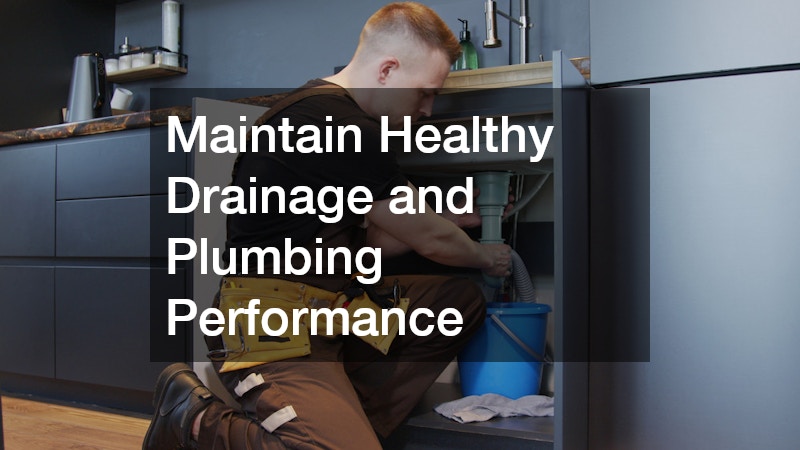
Routine maintenance of drainage and plumbing systems is a cornerstone of a well-functioning home. Clogged drains, leaking pipes, and overflowing fixtures can not only disrupt daily life but also lead to significant property damage and costly repairs. Proactive care prevents emergencies, extends the life of plumbing infrastructure, and helps homeowners avoid the frustration of sudden failures.
Drainage Maintenance Practices
Maintaining healthy drainage goes beyond simply pouring chemical cleaners down the sink. Here are some effective strategies:
- Flush drains regularly with safe cleaning solutions: Use non-corrosive, environmentally friendly products to remove debris without harming pipes. A monthly rinse with a mixture of baking soda and vinegar followed by hot water can prevent buildup and neutralize odors.
- Install strainers in sinks and showers: These inexpensive tools catch hair, food particles, and other debris, significantly reducing the risk of clogs. Clean strainers weekly to maintain effectiveness.
- Inspect outdoor drainage systems: Regularly check gutters, downspouts, and exterior drains to ensure water flows away from the foundation. Clear leaves, sediment, and other blockages that could lead to basement flooding or soil erosion.
- Address slow drainage early: Slow drains often indicate partial blockages or pipe buildup. Treating these early with manual cleaning or a professional service prevents the issue from escalating into a full blockage that could damage pipes.
- Monitor sump pumps and sewer lines: Homes with basements or low-lying areas should ensure sump pumps are operational. Inspect sewer cleanouts and access points for early signs of obstruction or root intrusion.
Plumbing Maintenance Tips
Effective plumbing maintenance requires attention to both visible and hidden components of your system:
- Schedule professional inspections for hidden leaks or corrosion: Even small leaks in concealed areas can lead to water damage over time. A licensed plumber can detect early-stage corrosion, loose joints, or minor leaks that could otherwise go unnoticed.
- Replace old or worn components: Valves, washers, and flexible connections have limited lifespans. Replacing these preemptively reduces the risk of unexpected bursts and water damage repair needs.
- Keep water pressure within safe levels: High water pressure can strain pipes, faucets, and appliances. Install a pressure regulator if necessary and monitor pressure periodically.
- Maintain hot water systems: Flush water heaters annually to remove sediment buildup that reduces efficiency and shortens appliance lifespan. Check temperature and pressure relief valves for proper operation.
- Check appliance connections: Washing machines, dishwashers, and refrigerators connected to water lines should have hoses inspected for wear and replaced every few years.
Consistent attention to these practices keeps plumbing systems functional, reduces emergency incidents, and minimizes long-term maintenance costs.
Maximize System Lifespan with a Preventive Maintenance Plan
A structured preventive maintenance plan ensures all major home systems operate reliably and efficiently while minimizing unexpected breakdowns. By planning inspections, servicing, and repairs in advance, homeowners can significantly extend the life of equipment and avoid high repair costs.
Creating a Maintenance Calendar
- Schedule seasonal HVAC inspections: Air conditioning and heating systems benefit from routine servicing. Check refrigerant levels, inspect electrical connections, and ensure proper airflow before peak seasons.
- Include routine tasks: Replace filters, clean coils, and inspect ducts quarterly. Document each action to track performance over time.
- Track repairs and recurring issues: Maintain a log of repairs, replacement dates, and warranty information. Recognizing patterns helps determine when it may be more cost-effective to upgrade equipment rather than continually repair it.
- Seasonal plumbing checks: Inspect for leaks, water heater functionality, and pressure levels before high-demand periods such as winter or summer.
Homeowner vs. Professional Tasks
- Homeowners can handle: changing filters, inspecting visible pipes, monitoring thermostats, and checking drains for slow flow.
- Professionals should manage: refrigerant levels, electrical connections, advanced HVAC repairs, hidden leak detection, and annual plumbing system inspections.
Budgeting and Tracking
- Set aside funds: Allocate an annual maintenance budget to cover both routine servicing and unexpected emergencies.
- Use digital tools: Apps or spreadsheets help schedule inspections, track repairs, and send reminders for recurring tasks.
- Prioritize critical systems: Identify which systems, such as heating or water filtration, require immediate attention if issues arise.
A preventive approach not only improves efficiency and comfort but also protects your investment and prevents costly disruptions.
Upgrade Strategically for Efficiency and Long-Term Savings
Sometimes, replacing or upgrading systems is more cost-effective than continuous repairs. Strategic upgrades enhance energy efficiency, reduce utility bills, and improve overall comfort.
Evaluating Upgrades
- Assess system age and performance: Older HVAC units, water filtration systems, and softeners may no longer operate efficiently. Evaluate repair frequency versus replacement costs.
- Consider energy-efficient options: Modern air conditioning and heating units, water filtration systems, and softeners use less energy, saving money over time.
- Integrate smart home technologies: Thermostats, leak detectors, and water monitoring systems offer remote control, automation, and alerts to prevent damage and optimize system operation.
Planning and Budgeting
- Phase upgrades based on priority: Focus on high-impact areas such as HVAC, water filtration, or plumbing first, then address lower-priority enhancements.
- Leverage rebates and incentives: Many energy-efficient appliances qualify for rebates, tax credits, or utility programs.
- Plan for minimal disruption: Coordinate timing of upgrades to avoid overlapping projects and reduce inconvenience.
Strategically planned upgrades improve system performance, lower long-term costs, and enhance property value while maintaining a comfortable and safe living environment.
Conclusion
Maintaining drainage, plumbing, and critical home systems through preventive care and strategic upgrades ensures a reliable, efficient, and safe property. Routine inspections, professional servicing, and thoughtful planning protect your investment, extend equipment lifespan, and reduce the risk of emergencies. A proactive approach across HVAC, plumbing, and water systems promotes long-term savings, improved comfort, and peace of mind while safeguarding the integrity and functionality of your home.