Severe weather events have dramatically increased in frequency and intensity over the past decade, making what were once rare storms into annual threats. From heavy downpours and thunderstorms to blizzards and hurricanes, unpredictable weather presents a challenge to property owners. Ignoring property defenses is a risk leading to expensive damage and emotional stress after disasters.
Catastrophic property damage is often due to multiple minor vulnerabilities compounded by storm stress. Proactive property management is essential. By taking strategic actions during calm weather, you can significantly reduce risks.
Explore your options for enhancing property resilience, from pre-storm preparations to safeguarding during events and post-storm recovery. By implementing these strategies, you protect your investment and ensure household safety.
Assess and Prune Overhanging Branches
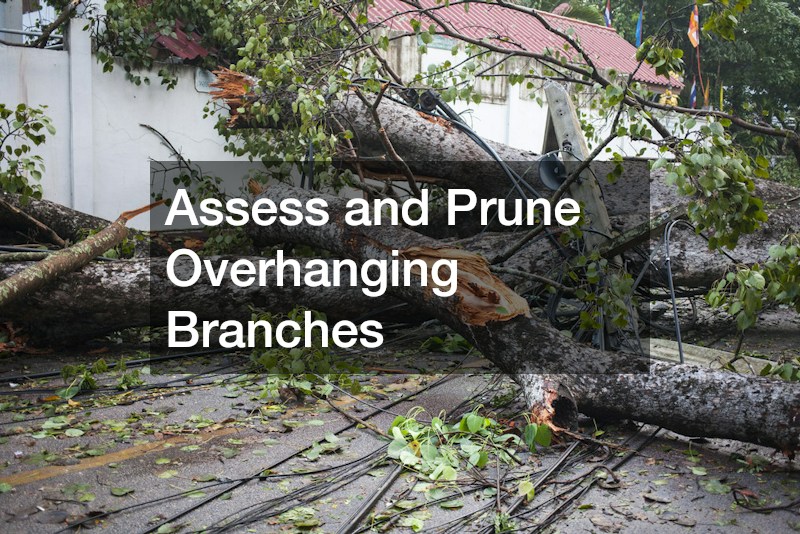
Large trees are a beautiful addition to any landscape, providing shade and increasing property value. However, during a severe weather event, they can become a massive liability. Deadwood, diseased branches, and heavy limbs hanging over your roof or near power lines are prone to snapping under the weight of winter ice or the sheer force of gale winds. The impact of a massive oak or pine branch crashing through a roof can cause immediate structural failure and allow water to pour into your living spaces.
To mitigate this risk, you should conduct a thorough assessment of the trees on your property every season. Look for warning signs such as:
- Deep cracks in the trunk or major branches.
- Areas of missing bark or visible decay.
- Fungal growth near the base of the tree, which often indicates root rot.
- Branches that lean heavily toward your house, garage, or utility lines.
While small pruning jobs can be handled independently, bringing in professional tree services before the storm season arrives is a crucial investment. Professionals have the necessary equipment to safely remove high-risk canopies and deadwood that threaten your home’s perimeter, ensuring your trees can withstand high winds without becoming projectiles.
Grade Soil Away from Your Foundation
Water accumulation around the base of your home is one of the most insidious threats to its structural integrity. When torrential rain hits, the water needs a clear, unobstructed path away from your foundation. If the soil around your house is flat or slopes inward, stormwater will pool against the concrete. Over time, this hydrostatic pressure forces water through microscopic cracks in the foundation, leading to flooded basements, compromised structural supports, and severe mold outbreaks.
Proper yard drainage is a science that requires careful planning. Here are the steps you should take to evaluate and correct your soil grading:
- Measure the slope: Ensure the ground drops at least six inches over the first ten feet moving away from your foundation walls.
- Fill in depressions: Identify and fill any low spots near the house where water tends to puddle after a light rain.
- Consider subsurface drainage: For properties with complex elevations, surface grading might not be enough.
In these more complex drainage scenarios, it is highly recommended to consult with expert landscaping services to install French drains, catch basins, or dry wells. They can also assist in regrading the soil securely and planting deep-rooted, thirsty vegetation that helps absorb excess stormwater before it ever reaches your basement.
Clear Debris and Re-Secure Downspouts
The gutter system is arguably the most critical exterior moisture management tool your home has. When gutters become clogged with fallen leaves, pine needles, and twigs, they can no longer channel water away. During heavy rain, this leads to overflowing water that spills directly down the side of your house, soaking the fascia boards and pooling at the foundation. In the winter, clogged gutters are the primary catalyst for ice dams—massive blocks of ice that force melting snow backward underneath your roof shingles.
Maintaining a clear drainage path requires consistent effort:
- Clean gutters at least twice a year, ideally in late spring and late fall.
- Check the pitch of the gutters to ensure water flows smoothly toward the downspouts without pooling in the middle.
- Extend downspouts at least five to ten feet away from the foundation using splash blocks or corrugated extension pipes.
If you notice sagging sections, detachment from the fascia, or visible rust spots, you should schedule prompt gutter repairs immediately. Compromised drainage hardware will fail right when you need it most, pushing high volumes of water into the vulnerable wooden components of your roofline.
Inspect Shingles and Flashing Annually

Your roof shingles take the brunt of the abuse from the sun, rain, hail, and wind. Over time, the materials degrade, leaving your home vulnerable to leaks. A minor leak during a regular rainstorm can become an indoor waterfall during a hurricane.
You should perform a safe, ground-level roof inspection using binoculars at least once a year. Pay close attention to:
- Curled, blistered, or buckled shingles.
- Missing asphalt granules, which often accumulate in your gutters and indicate the shingles are nearing the end of their lifespan.
- Loose, rusted, or missing metal flashing around chimneys, vent pipes, and skylights, as these are the most common entry points for water.
If you spot any of these warning signs, or if your roof is simply aging past its warranty, it is highly recommended to hire reputable roofing services for an in-depth, on-roof inspection. Replacing damaged shingles and resealing flashing before a major squall tears them off completely will save you from catastrophic interior water damage.
Seal Gaps and Reinforce Glass Points
Windows and doors are the most fragile components of your home’s exterior. During a severe storm, wind-borne debris can easily shatter standard glass. If a large window blows out during a hurricane, the sudden influx of high-pressure air into the home can create an upward force strong enough to literally lift the roof off the walls.
To fortify your home’s shell, you must systematically check and reinforce these openings:
- Inspect the caulking and weatherstripping around all window frames and doors. Replace any material that is cracked, brittle, or peeling.
- Check the locking mechanisms on all windows to ensure they close tightly and cannot be rattled open by heavy gusts.
- Consider installing permanent storm shutters, especially if you live in a coastal or tornado-prone region.
If your home currently utilizes older, single-pane glass, it may be time to consult a window contractor to upgrade to modern, impact-resistant models. These specialized fixtures are designed to withstand direct strikes from flying debris without shattering, maintaining the vital pressure seal of your home.
Inspect Exposed Architectural Elements for Rot
High winds test the very skeleton of your house. Every beam, porch column, and structural support is subjected to intense lateral loads. If these wooden components have been quietly suffering from termite damage, dry rot, or persistent moisture degradation, they can easily snap under the sudden pressure of a severe storm.
Homeowners should conduct a physical inspection of all exposed structural wood:
- Use a screwdriver to gently probe exposed porch columns, deck joists, and roof overhangs. If the wood feels soft or spongy, rot has already set in.
- Look for peeling paint on wooden elements, which is often the first sign that moisture is trapped beneath the surface.
- Ensure that wooden posts connecting to concrete footings are elevated and not absorbing moisture directly from the ground.
Homes featuring a traditional timber frame require special attention during these inspections. Because the structural integrity relies heavily on large wooden joinery, you must ensure the wood is properly treated, sealed, and structurally sound to withstand heavy gales without compromising the entire building envelope.
Install and Maintain an Alternative Power Source

The dangers of a prolonged power outage are multifaceted. In the winter, a lack of heating can cause interior pipes to freeze and burst, leading to massive indoor flooding once the ice thaws. In the summer, the lack of air conditioning can lead to dangerous heat and rapid mold growth in damp areas. Most critically, if your home relies on a sump pump to keep the basement dry, a power failure during heavy rain will result in certain flooding.
To truly secure your property, you must have a reliable fallback plan for electricity:
- Determine your critical load: Identify which appliances are strictly necessary during an outage, such as the refrigerator, well pump, sump pump, and a few key lighting circuits.
- Test portable options: If you use a portable power unit, ensure you have safe, outdoor ventilation and fresh fuel stored properly.
- Maintain the equipment: Run your alternative power source periodically throughout the year to ensure the engine and alternator are functioning properly.
For the ultimate peace of mind, homeowners should strongly consider installing a standby back up generator that is tied directly to the home’s electrical panel. These units automatically kick on the moment the grid fails, keeping essential systems—especially your sump pump and HVAC—running seamlessly regardless of the weather outside.
Audit Your Home’s Wiring and Surge Protection
Extreme weather often brings severe lightning, which poses a massive threat to your home’s electrical infrastructure. A nearby lightning strike can send a massive voltage spike through the utility lines, instantly frying expensive HVAC compressors, smart appliances, and sensitive electronics. Furthermore, when power is restored after a blackout, the sudden surge of electricity can be just as damaging.
Protecting your home’s electrical network requires a layered approach:
- Unplug sensitive, non-essential electronics (like televisions and computers) before a forecasted severe storm hits.
- Use high-quality point-of-use surge protectors for essential devices that must remain plugged in.
- Inspect your electrical panel for signs of rust, scorch marks, or buzzing sounds, which indicate underlying issues that a storm could exacerbate.
For comprehensive protection, it is highly advisable to bring in local electrician services to evaluate your system. They can install a whole-house surge protector directly at the breaker panel, providing a vital shield that stops external voltage spikes from ever reaching the wiring within your walls.
Document Damage Safely and Prevent Moisture Intrusion
Before you begin moving debris or attempting any repairs, you must meticulously document the state of your property for insurance purposes. Claims adjusters need clear evidence of what the storm caused before any human intervention occurred.
- Take wide-angle photographs of your entire yard and home exterior.
- Take close-up photos and videos of specific damage, such as missing shingles, shattered glass, or crushed fencing.
- Do not climb onto a damaged roof or touch downed power lines under any circumstances.
- Once documented, safely apply heavy-duty waterproof tarps over exposed roof sections or broken windows to prevent further rain from soaking the interior. Secure the tarps tightly with nails and furring strips to ensure they aren’t blown away by residual gusts.
Address Torn Exterior Cladding Immediately
High winds have a tendency to pry underneath the edges of exterior panels, ripping them away and exposing the delicate underbelly of your home. When exterior cladding is stripped, the home’s house wrap and underlying insulation are left completely defenseless against the next passing rain shower.
If you discover that sections of your exterior walls have been torn off or severely punctured by flying debris, time is of the essence. You must urgently contact a siding contractor to replace the ripped or dented panels. Allowing the wooden sheathing beneath the panels to remain exposed to persistent moisture will quickly lead to deep structural rot and severe internal mold, turning a localized repair into a major reconstruction project.
Act Fast to Mitigate Mold and Structural Degradation
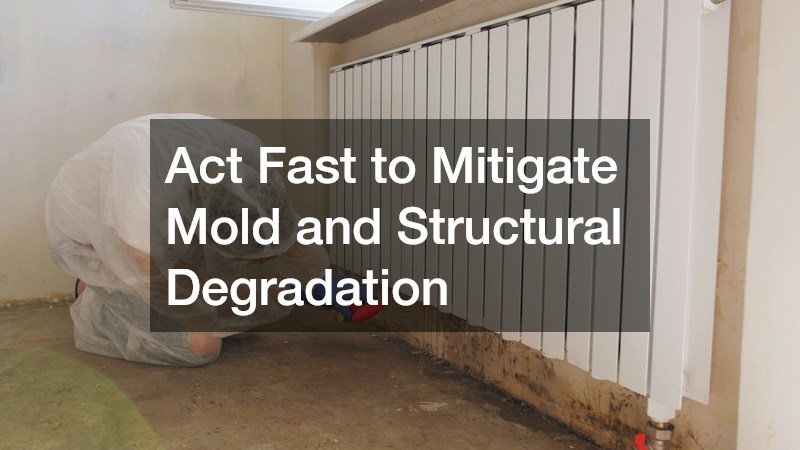
If you discover pooling water in your basement or active leaks coming through your ceiling, immediate mitigation is required to save your drywall, flooring, and framing.
- Safety first: If the water is near electrical outlets or submerged appliances, immediately shut off the main breaker to the house to prevent electrocution.
- Stop the spread: Move furniture away from the wet area and quickly remove soaked rugs or loose textiles.
- Extract the moisture: Use wet/dry vacuums to remove standing water, and immediately set up high-powered fans and dehumidifiers to begin pulling moisture out of the air and adjacent materials.
It is vital to understand that mold can begin growing in damp environments in as little as 24 to 48 hours. For anything more than a minor, easily dried puddle, homeowners should quickly hire a certified water damage restoration service to perform deep moisture extraction. These professionals utilize industrial-grade drying equipment and thermal imaging to ensure moisture hidden behind walls or under floorboards is completely eradicated, saving your home from long-term toxicity and structural decay.
Managing severe weather threats requires vigilance and strategic investment. The unpredictability of modern storms tests residential construction limits. By breaking your property into defensive zones — the perimeter, roof, shell, and internal systems — you can systematically eliminate vulnerabilities before storms hit. Being proactive transforms you from a weather victim to a resilient property manager. Actions like cleaning debris, reinforcing entry points, and inspecting structural integrity during calm months pay off when severe weather occurs.
We cannot control the weather or storm paths but can control our preparedness. Don’t wait for severe warnings; use the next sunny weekend to review this guide and start taking steps to keep your household safe, dry, and secure.